The Retour Foundation

Sustainable Tourism Development

Tourism is regarded as one of the most important sectors to enhance economic growth in developing countries. Therefore governments, industry and NGOs invest in tourism projects. At the same time the need for investments in sustainable development increases: natural, socio-cultural and economic resources should be secured for future generations. Sustainable tourism development aims at enhancing the contributions of tourism to sustainable development, thereby creating sustainable tourism. Efforts to create sustainable tourism should focus on both large scale development and small scale projects: the sustainability of tourism depends on the major players in tourism such as airlines, international touroperators and national governments, but cannot do without the participation and support of local communities. Both sustainable development and tourism development are complex processes, with many interests and parties involved. To deal with these complexities, planning methods have been designed. In these methods quite often the interests of local communities are not taken into account. Therefore Retour has developed a Packet of Services and a Tourism Planning Method which takes empowerment and participation of local people as its key elements.

The concept of sustainable tourism

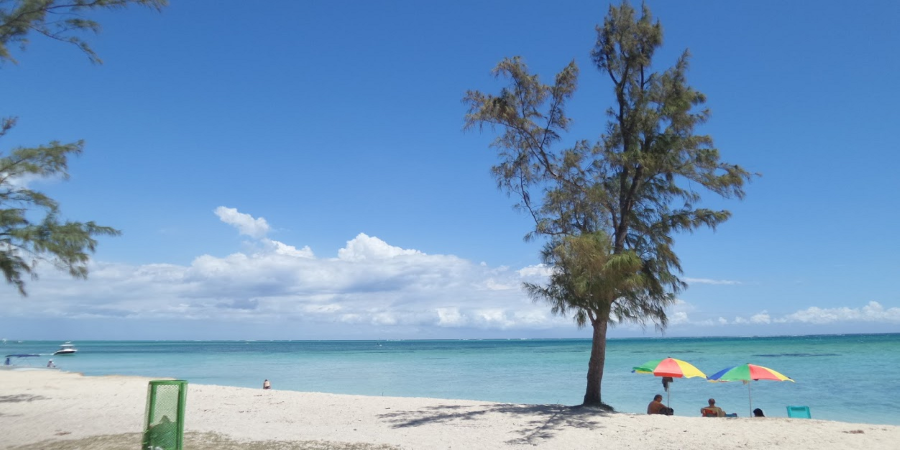
A precondition for every kind of tourism is that it is enjoyable for tourists. It should be relaxing and fun for tourists, but what distinguishes sustainable tourism is that it is also enjoyable, functional and profitable for the people working in tourism and living in the destination area. While tourists relax, tourism workers can earn their money without having to fear that their environment, culture and economy is sacrificed. That is what makes sustainable tourism special: it is about those types of tourism that mind about the resources of our earth, recognizing that we are borrowing them from our children and our children's children. Talking about sustainable tourism many people think about alternative types of tourism like eco-tourism, where one visits nature and donates to contribute to the protection of it. But this is a dangerous misunderstanding. Sustainable tourism is about making all types of tourism more sustainable: mass tourism, beach tourism, city tourism, mountain trekking, adventure tours, active holidays, cultural trips etc, (including eco-tourism). The question is not whether a tourist visits a forest, a mountain, a city, a beach or an attraction. The question is whether his actions and all the activities necessary to create the conditions for them, contribute to a sustainable development of the region visited: does the local economy profit, do people get decent paid jobs, does the level of education rise, can local people participate, is the natural environment protected. It is about the behavior of all stakeholders involved: tourists, governments, enterprise and local population. And it is not (only) about "small-is-beautiful" tourism, it is also about mass-tourism and its relation to sustainable development. A very important aspect of sustainable development is that local people are enabled (empowered) to take care of their own social, economic and ecological environment. Therefore it is necessary to make sure that tourism development provides them with the means to do that. Not only in a financial way but more important through sharing of information and (perhaps most important) through enabling them to participate in making the decisions about the future of their region. These are preconditions to ensure that a balanced decision will be made in weighing the various interests involved in developing tourism in a sustainable way.